

Lot n° 5
Estimation :
15000 - 20000
EUR
1960 - Lot 5
1960
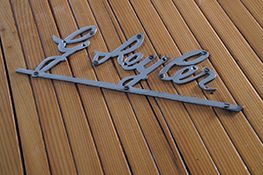
SEYLER 520
Type : Runabout
Length : 5,20 m
Width: 1,90 m
Weight: approx. 800 kg
Number of seat(s) : 4
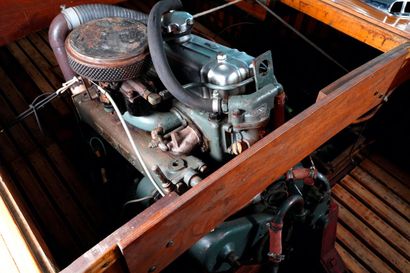
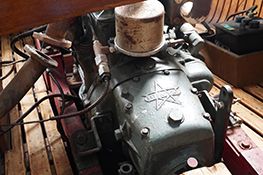
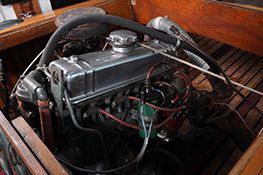
Engine : Penta B16A
Type: 4 cylinders in line
Displacement : 1,6 l.
Power : approx. 80 hp.
The boats, as well as the trailers, have no papers.
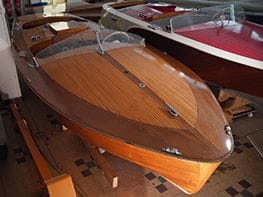
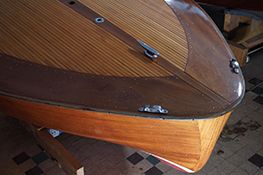
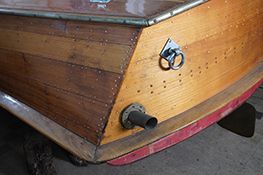
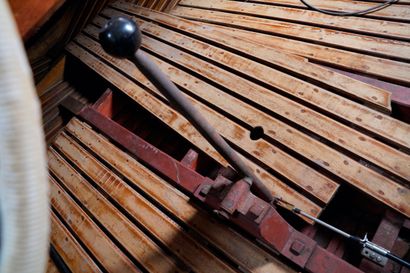
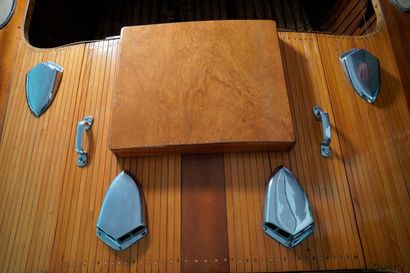
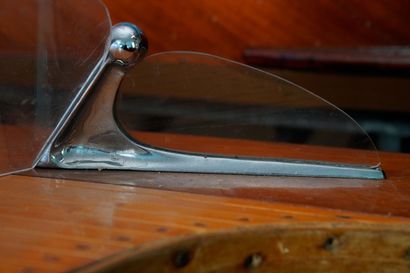
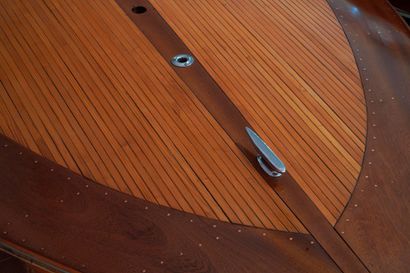
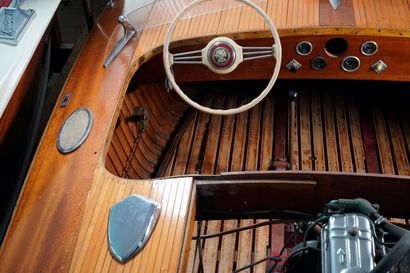
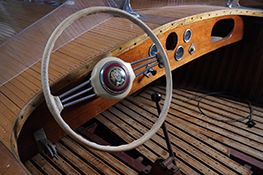
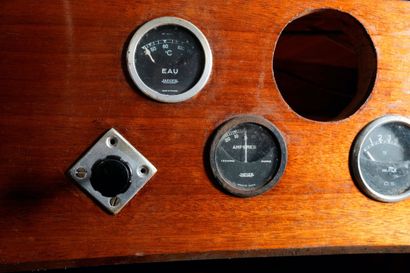
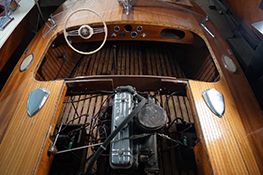
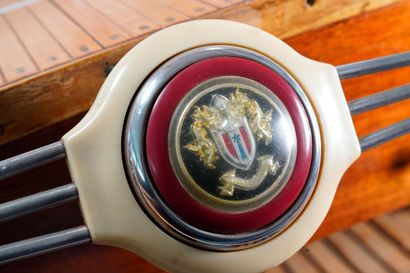
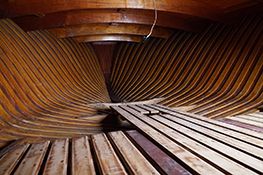
The Seyler shipyard is one of the great pioneers of motorboating in France. The Georges Seyler Aîné establishments started in the pleasure boating business in 1893 on a quay of Perreux-sur-Marne near Paris. Famous for its canoes and yawls, the company started very early in the construction of motorboats, winning the first Monaco meeting in 1904 with its Richard-Brasier four engine racer Trèfle in the 8 to 12 meters category. The yard remained active for the next six decades. After the Second World War, Georgette, the founder's daughter, took over with the workshop manager Louis Devillié. Claude, her son participates in many competitions in the 1950s, while the vogue for motorboating favors the development of a range of dinghies and runabouts with a particularly careful construction. The runabout 520 is then among the longest units of the French production, with a good habitability in a general presentation always sober but of quality, reflecting a long tradition. The hull is double planked mahogany riveted copper on bent frames in ash. This seriousness is reflected in the choice of engine, a four-cylinder Penta, robust and reliable with a respectable power for the time. Penta, a Swedish producer of marine and then automotive engines, has belonged to the Volvo group since 1935 and continued to market its engines under its brand name until the early 1960s when Volvo decided to put its name forward more for the launch of the Aquamatic base. The B16 A engine is one of the hobbyhorses of the two companies, both in boating and in cars. The protruding cowling above the deck is due to the tilting of the engine to mount it in line with the propeller shaft, a common practice at Seyler until the yard closed in the mid-1960s. The windshield and various fittings are post-construction adaptations and the instrumentation has to be completed.
My orders
Sale information
Sales conditions
Return to catalogue